

Why Does My Bathroom Drain Smell? Common Causes of Smelly Drains
Share
You've cleaned the bathroom. So why does it still smell?
There's nothing quite as frustrating as cleaning your bathroom from top to bottom, only to walk back in later and discover that unpleasant smell is still there.
Before you reach for the cleaning products again, it's worth considering something else.
The smell may be coming from your drain.
Smelly drains are a common problem in bathrooms, laundries and other wet areas. And while cleaning is important, repeatedly masking an odour won't necessarily solve the problem if the smell is travelling into the room through the drainage system.
So, what should you look for?
First, work out where the smell is coming from
Not every bathroom smell has the same cause.
Try to identify whether the odour is strongest around your basin, shower or floor waste. If you can narrow down the source, you'll have a much better chance of finding the solution.
A persistent sewer-like smell around a floor drain may indicate that odours from the drainage system are finding a pathway back into the room.
However, smells can also be caused by build-up, plumbing faults or other drainage problems, so it's important not to assume that every smelly drain requires the same fix.
If you're unsure, particularly if you notice leaking, backing-up water or other plumbing problems, speak with a licensed plumber.
Why can floor drains smell?
Floor wastes have an important job. They allow water to leave bathrooms, laundries and other wet areas safely.
But we only want things travelling one way.
When unpleasant odours from the drainage system find their way back through the floor waste, the result can be a bathroom that smells unpleasant even when the room itself is perfectly clean.
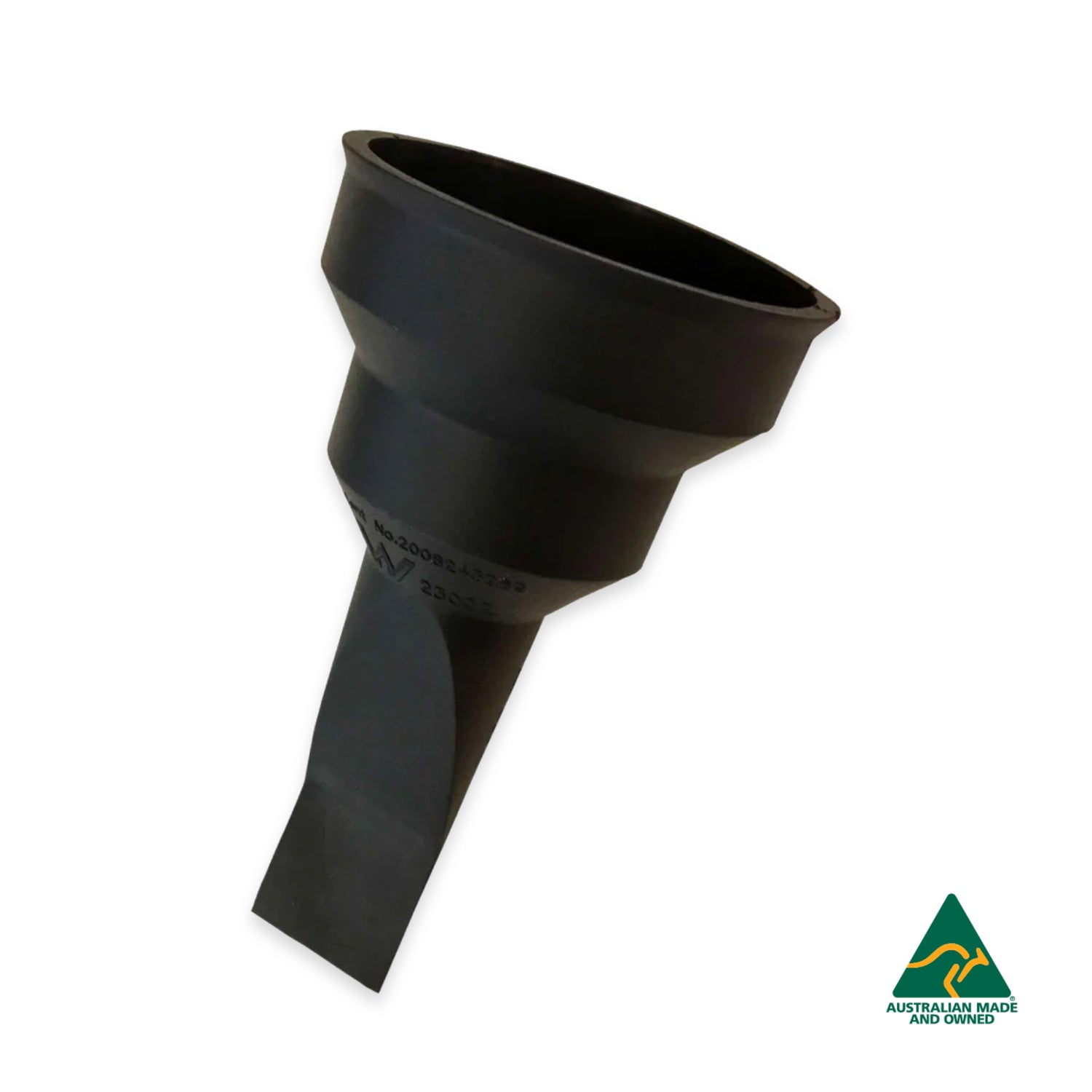
That's where a one-way barrier like our flagship model GS01 can make a difference.
How does Grate Seal help?
Grate Seal was created by two qualified plumbers, Tony and Ronnie, after they encountered this exact type of problem on a major Sydney development in 2008. (Read more about the origin story here)
They needed something that would allow wastewater to continue flowing down a floor drain while helping prevent unwanted sewer odours from travelling back in the other direction.
When they couldn't find the solution they needed, they created one.
Today, the same simple principle sits at the heart of Grate Seal.
Installed inside the drainage pipe below the floor grate, Grate Seal allows wastewater to pass through while helping create a barrier against odours, suds and unwanted pests coming back up.
Don't just cover up a smelly drain
It's tempting to reach for fragrances and cleaners whenever something smells.
And, of course, keeping drains and bathrooms clean is important.
But if the problem is odour travelling back through your drainage system, making the room smell nicer temporarily isn't necessarily addressing the pathway.
Finding the source is the important part.
Smelly drains shouldn't take over your bathroom
Your bathroom should smell like your bathroom products not what's happening below the floor.
If you've identified a floor waste as a potential source of unwanted drain odours, explore the Grate Seal range and check which model is suitable for your drain.
Looking for Grate Seal? Find the range through Reece Plumbing.